The Process
My process begins with the application of water-based media: paint, gesso, etc., and texture mediums which may include paper, sand or cloth. Most often, brushes are set aside in favour of my hands, squeegees, stamps and palette knives, as well as pouring and splattering techniques as more and more paint is introduced to the surface.
Then come the sponges, the scrapers, the sandpaper, salt, alcohol and other tools of decollage, to peel, wash or sand away areas of paint. This sometimes reveals raw stained canvas, or a hint of newsprint or patterned paper. Then more layers are added, which may include paint, glazes, watercolour pencil or oil pastels. This process of applying and removing is repeated again and again.
Not surprisingly (as a result of this layering process) my canvases are often heavily textured, but texture is just one of the sorts of contrast found in all my work. Others include the juxtaposition of calm, quiet areas with those of intense energy, and areas of concentrated colour complemented by neutrals.
Over the years, I have developed a vocabulary of shapes, symbols (and sometimes words, human or humanoid forms) which become or support the focal point of each finished canvas.
Creating a finished work may take weeks or months. Canvases are revisited time and again, and my intuitive process continues until the painting declares itself complete. The finished painting – just as for interesting people, places and things – is equally a result of what has been added, and what has been taken away.
Back Forty
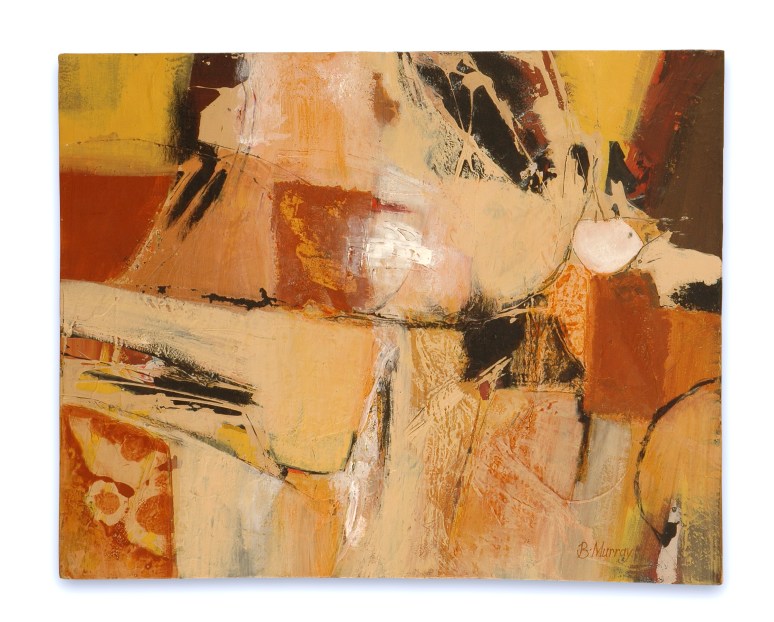
20 inches x 16 inches
Original: CDN$400
Prints: pricing available on request
Balanced
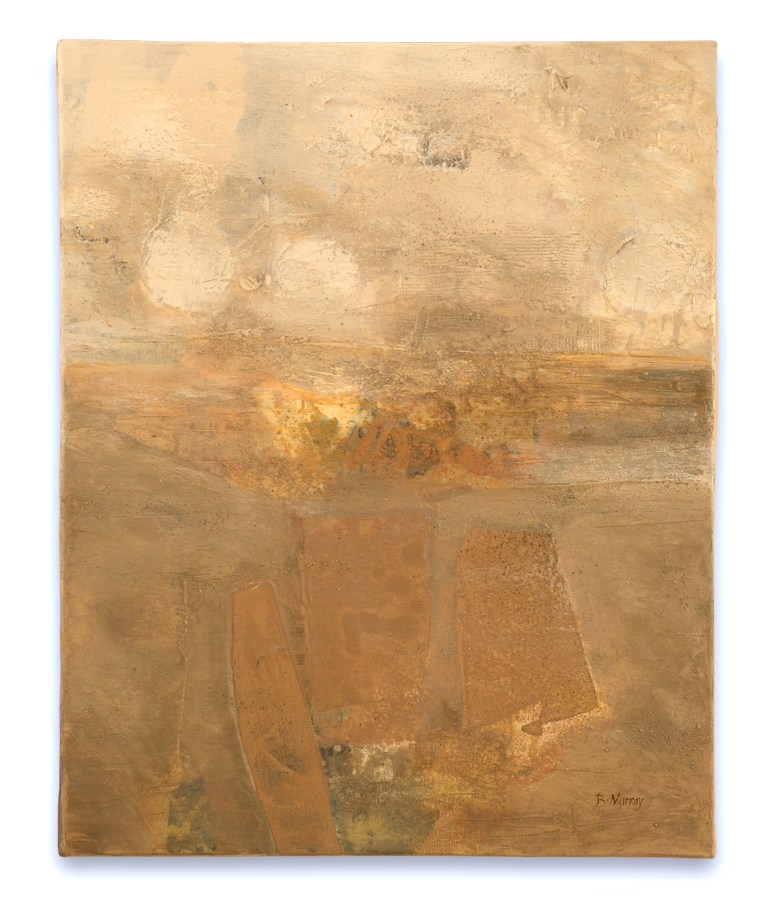
16 inches x 20 inches
Original: CDN$400
Prints: pricing available on request
Clear Ahead
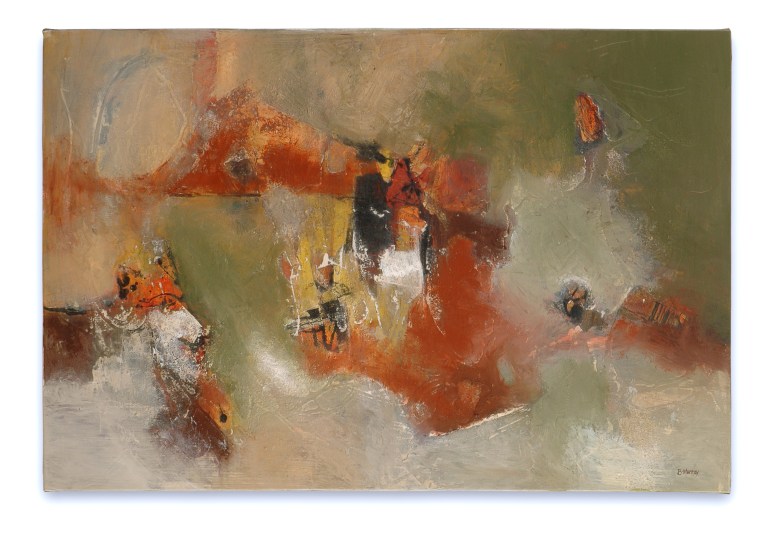
36 inches x 24 inches
Original: CDN$1080
Prints: pricing available on request
Brighter Day
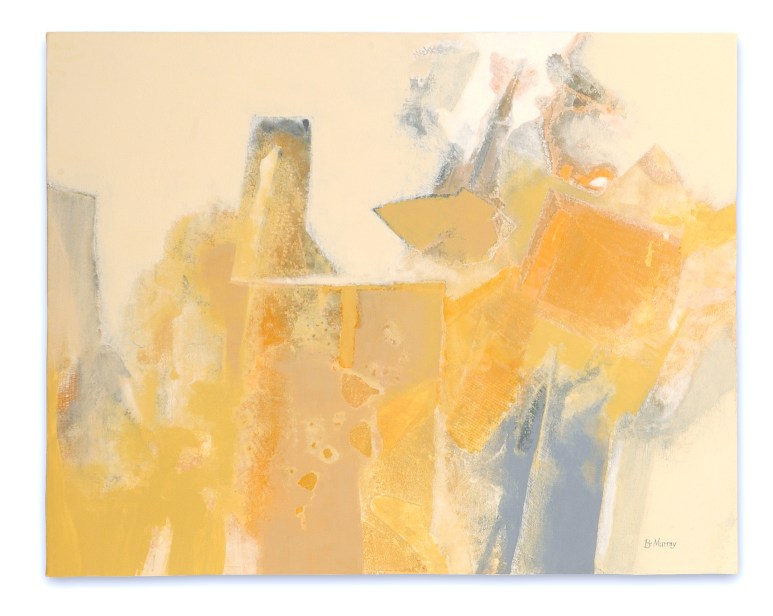
28 inches x 22 inches
Original: CDN$770
Prints: pricing available on request
Personal Horizon
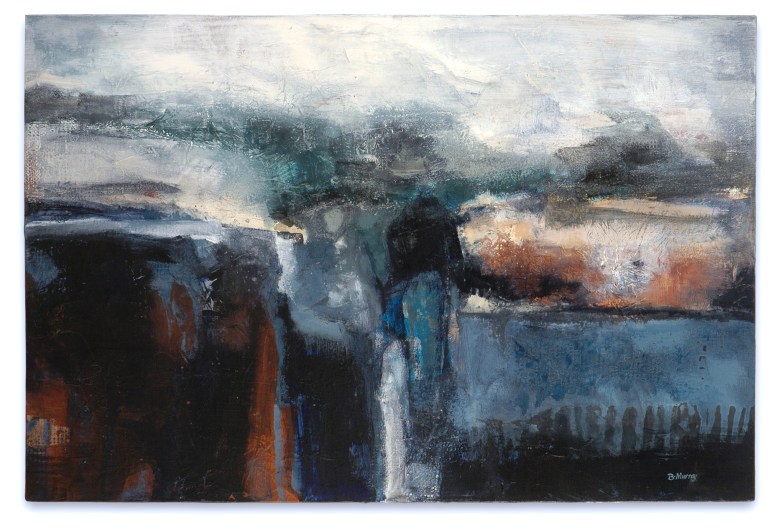
36 inches x 24 inches
Original: CDN $1080
Prints: pricing available on request
 Brenda Murray